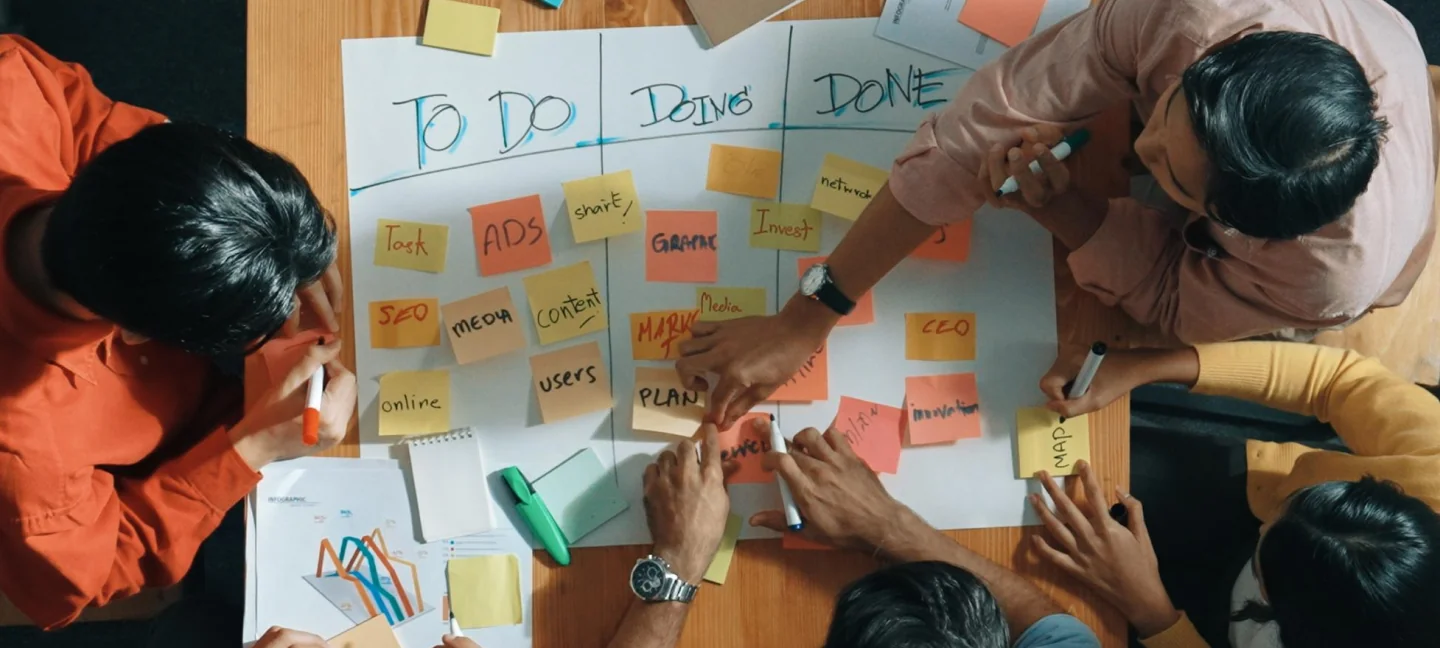
In the world of agile project management, the Scrum Master plays a pivotal role in ensuring that Scrum teams operate efficiently and effectively. The Scrum Master is more than just a facilitator; they are a coach, servant leader, and problem-solver who helps teams overcome obstacles and continuously improve.
In this blog, we’ll dive into the key roles and responsibilities of a Scrum Master, providing insight into their day-to-day activities and how they contribute to the success of a Scrum team and the broader organization.
Before diving into the Scrum Master’s responsibilities, it’s important to understand the context of Scrum itself. Scrum is an agile framework for managing complex projects, particularly software development. It emphasizes iterative progress through Sprints (typically two to four weeks long), where cross-functional teams work to deliver a potentially shippable product increment at the end of each Sprint.
The Scrum Master’s role is multi-faceted, requiring a combination of facilitation, coaching, and leadership skills. Here are the core responsibilities of a Scrum Master:
One of the Scrum Master’s primary responsibilities is to ensure that the Scrum ceremonies are conducted effectively. These events include:
Scrum is all about continuous flow and improvement. The Scrum Master’s responsibility is to identify and remove any impediments or obstacles that are preventing the team from progressing. These could include technical issues, external dependencies, lack of resources, or organizational roadblocks. By helping the team stay focused and unblock issues quickly, the Scrum Master enables better team performance.
The Scrum Master is a coach, both for the development team and the Product Owner. Coaching involves helping individuals understand the principles of Scrum and how to apply them to improve productivity and collaboration. It’s about nurturing self-organizing teams that can make decisions independently, without excessive dependence on the Scrum Master.
While the Product Owner is responsible for managing the product backlog and maximizing the value of the product, the Scrum Master has an important supporting role. The Scrum Master helps the Product Owner by:
The Scrum Master acts as a buffer between the Scrum Team and outside distractions or interruptions. This includes:
A great Scrum Master fosters a collaborative and positive team environment. This includes promoting:
While the Scrum Master is responsible for guiding the team in applying Scrum principles, they also play a key role in driving broader Scrum adoption across the organization. This includes:
In addition to applying the Scrum framework, the Scrum Master plays a vital role in promoting an agile mindset throughout the organization. This mindset encourages flexibility, transparency, collaboration, and customer-centricity. Scrum Masters champion agile principles, encouraging teams to be adaptable and focused on delivering value at every stage of development.
To be effective in their role, Scrum Masters need a combination of soft and hard skills. Some key skills and attributes include:
The role of the Scrum Master is critical to the success of a Scrum team. They ensure that the team is focused, aligned, and able to deliver high-quality work in a collaborative and efficient manner. By facilitating Scrum events, removing impediments, coaching the team, and promoting an agile mindset, the Scrum Master helps the team continuously improve and adapt to meet the needs of the business and customers.
If you're considering a career as a Scrum Master or are currently in the role, embracing these responsibilities will not only improve the team's performance but also drive organizational agility and success. Being an effective Scrum Master requires a blend of coaching, facilitation, problem-solving, and leadership skills. By mastering these areas, Scrum Masters can help their teams deliver exceptional value and continuously evolve to meet new challenges.

Company
Quick Links
Corporate Solution
Connect with us


We Accept





Get our weekly Newsletter
Contact us based on your location
Popular Courses

 Australia
© 2011-2026, Training Provider-





 USA
USA  India
India  UK
UK